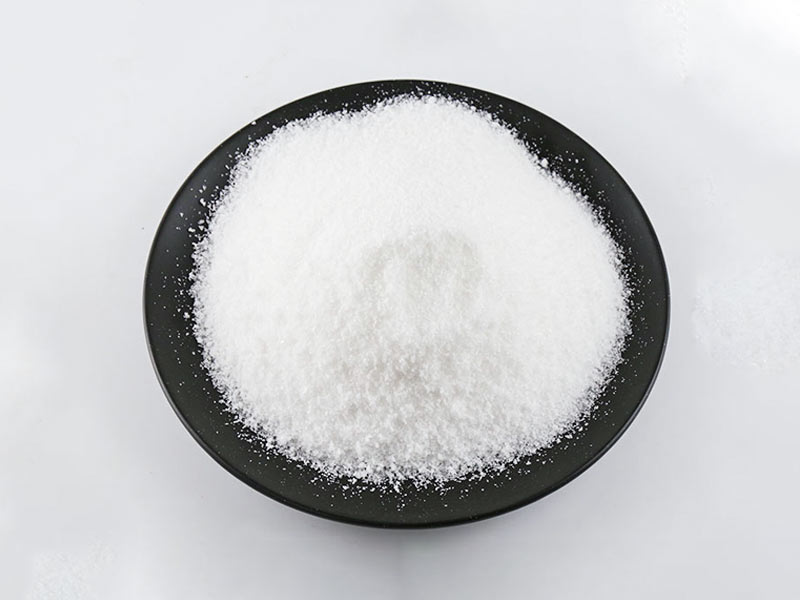
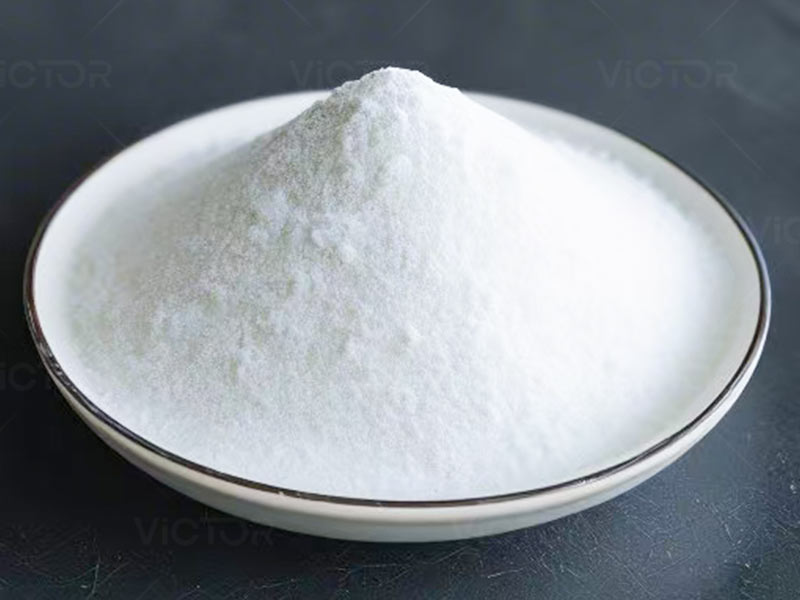
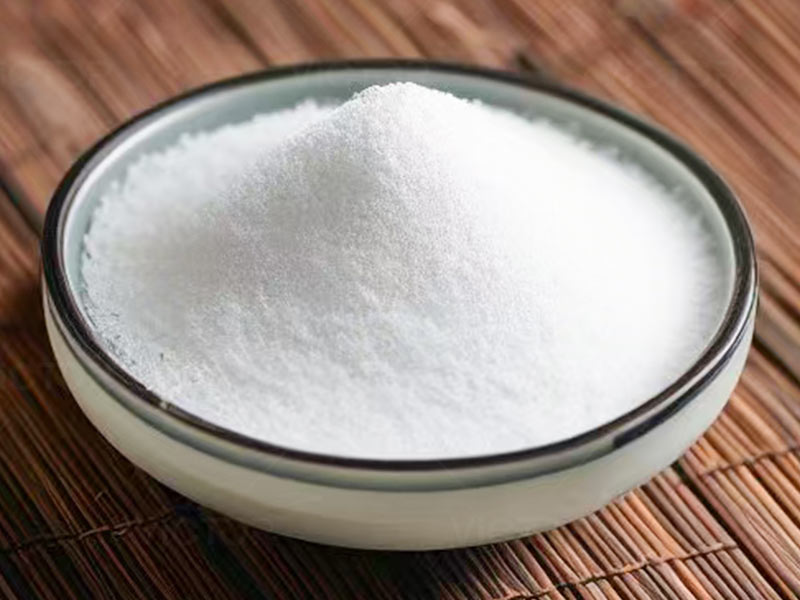
Polyaluminium chloride has seen soaring sales in recent years as a water treatment chemical. This surge correlates with China's rapid industrial expansion. As a commonly employed sewage treatment agent, it boasts low production costs and excellent efficacy, offering bactericidal, deodorising and decolourising properties. Compared to traditional chemicals, it reduces water treatment costs by over 30%, establishing itself as China's recognised standard water purification agent.
Polyaluminium Chloride is primarily employed in industrial and municipal water purification. It demonstrates exceptional efficacy in treating drinking water, tap water, and specialised water conditions such as iron removal, cadmium removal, fluoride removal, radioactive contaminant treatment, and oil slick remediation. Its application scope continues to broaden. Furthermore, increasingly stringent environmental treatment requirements in China Its application in industrial wastewater treatment is even more extensive. Consequently, sales of polyaluminium chloride products have risen annually. However, a common issue encountered during use concerns insoluble matter. How should insoluble matter be addressed if detected during operation?
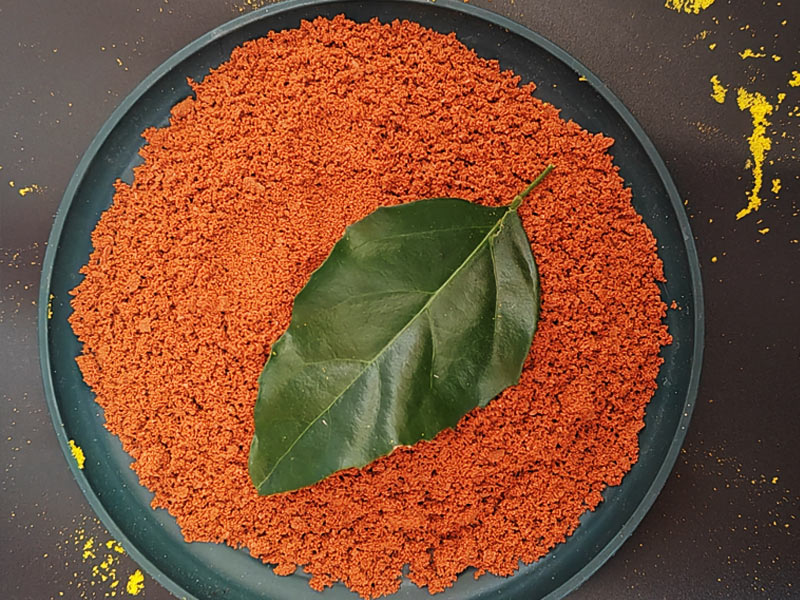
The requirements for insoluble matter in water treatment processes remain stringent. Excessive levels of insoluble matter can cause pipeline blockages and equipment failure, necessitating particular attention. There are three primary methods to address insoluble matter: employing plate-and-frame filtration to meet national standards; utilising advanced spray drying techniques; or controlling the issue at the raw material stage. Natural sedimentation also presents a viable option. The natural sedimentation method relies on stringent control of raw materials. However, it typically requires a considerable amount of time, necessitating three to four days of settling to achieve compliance. While spray drying can resolve insoluble matter issues, it involves substantial investment costs.
As insoluble matter directly impacts water treatment efficacy, resolving this issue demands dedicated effort. Novel polyaluminium chloride employs innovative raw material formulations. Beyond aluminium and iron, these formulations incorporate additional metals such as calcium and magnesium. These metal ions effectively enhance the precipitation of raw water insolubles, promoting flocculation and sedimentation within the product. This approach effectively resolves insoluble matter issues, yielding markedly improved performance in wastewater treatment processes.